


Design and Technology
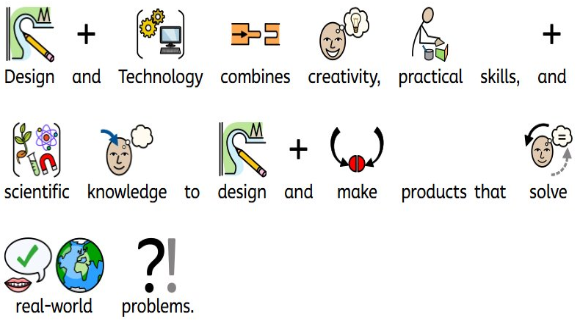
We use these three core skills:
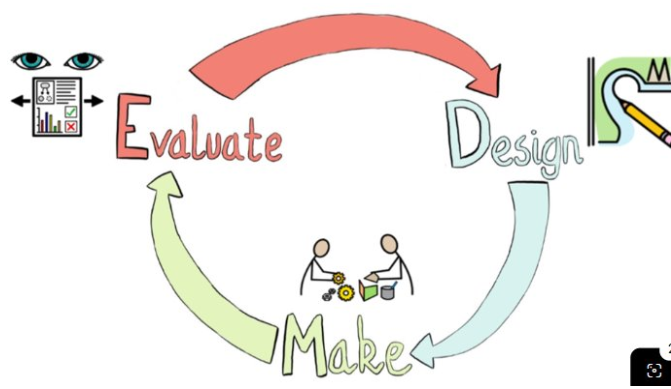
INTENT
At Cotmanhay Junior School, we use the Kapow Primary Design and Technology scheme of work. This scheme aims to develop pupils as creative, resourceful and innovative thinkers who can design, make and evaluate products that solve real and relevant problems. Through a broad and engaging curriculum, pupils learn to apply their knowledge and understanding of materials, structures, mechanisms, electrical systems and cooking and nutrition to purposeful design challenges.
The intention is for pupils to develop the confidence, resilience and practical skills needed to become successful designers and makers. Pupils are encouraged to take risks, test ideas, learn from mistakes and refine their work through an iterative design process. They learn to consider the needs of users, the purpose of products and the wider impact of design on everyday life.
The scheme promotes an appreciation of the role that Design and Technology plays in shaping the world around us and helps pupils understand how designers, engineers, architects and inventors contribute to society. It encourages creativity alongside technical understanding, enabling children to become informed consumers and future innovators.
The scheme also supports teachers in developing their subject knowledge and confidence, enabling the delivery of ambitious, engaging and practical lessons. The curriculum is designed to be inclusive and progressive, ensuring all pupils develop the knowledge, skills and vocabulary needed to succeed in Design and Technology and prepare them for future learning and everyday life.
IMPLEMENTATION
REACTIVATE
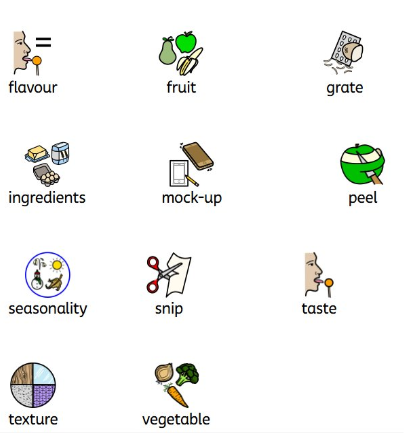
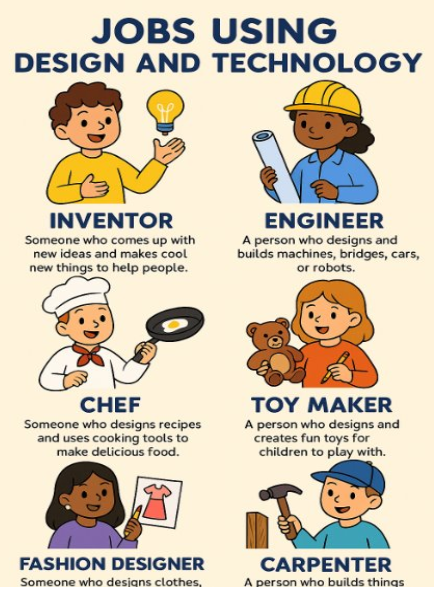
Each lesson begins with a short activity revisiting prior learning. This helps pupils recall previously taught knowledge and skills, such as design principles, technical vocabulary, manufacturing techniques or knowledge of materials and components. These activities strengthen long-term memory and support pupils in making meaningful connections between previous and current learning. We then look at key vocabulary and jobs linked to the topic of learning.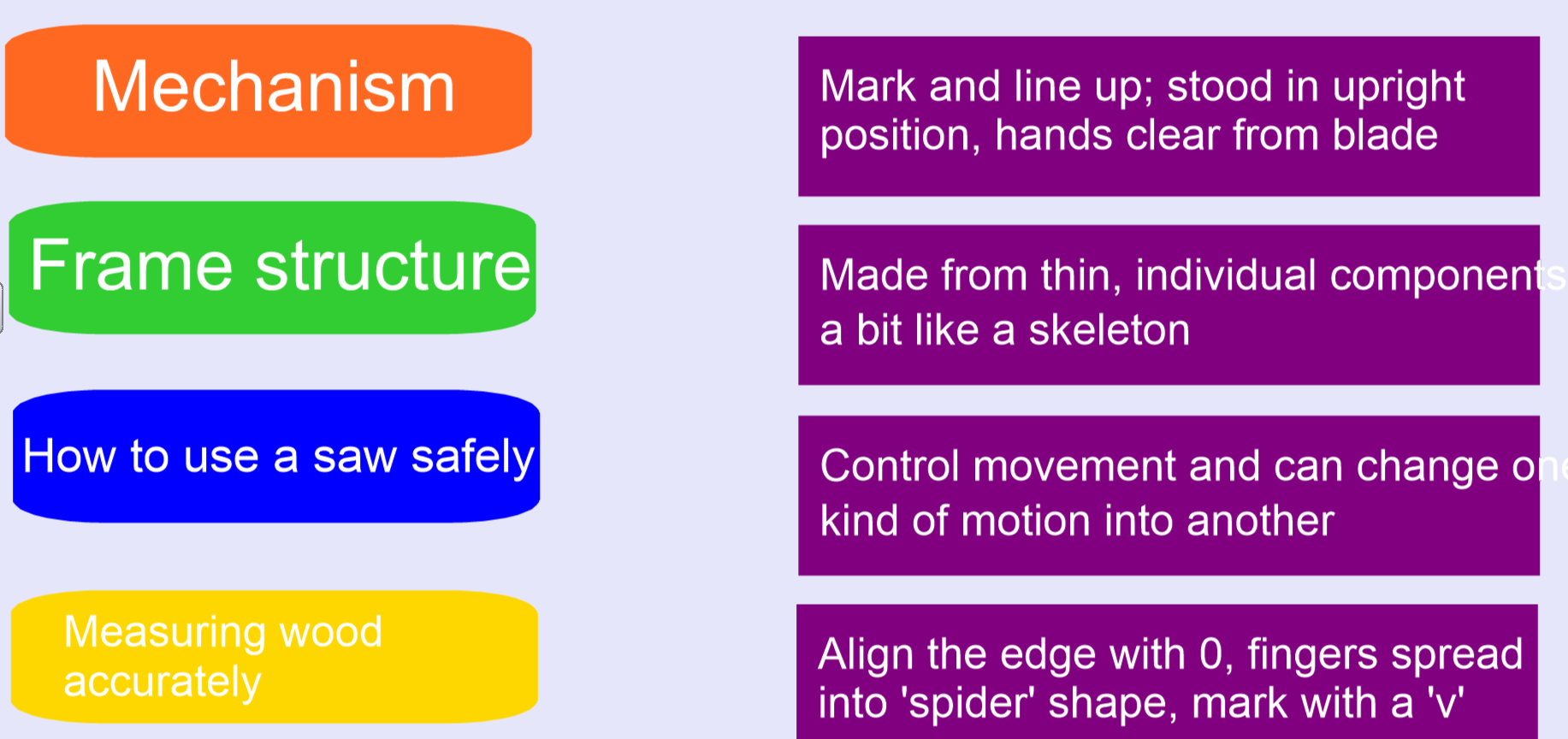
LEARN IT
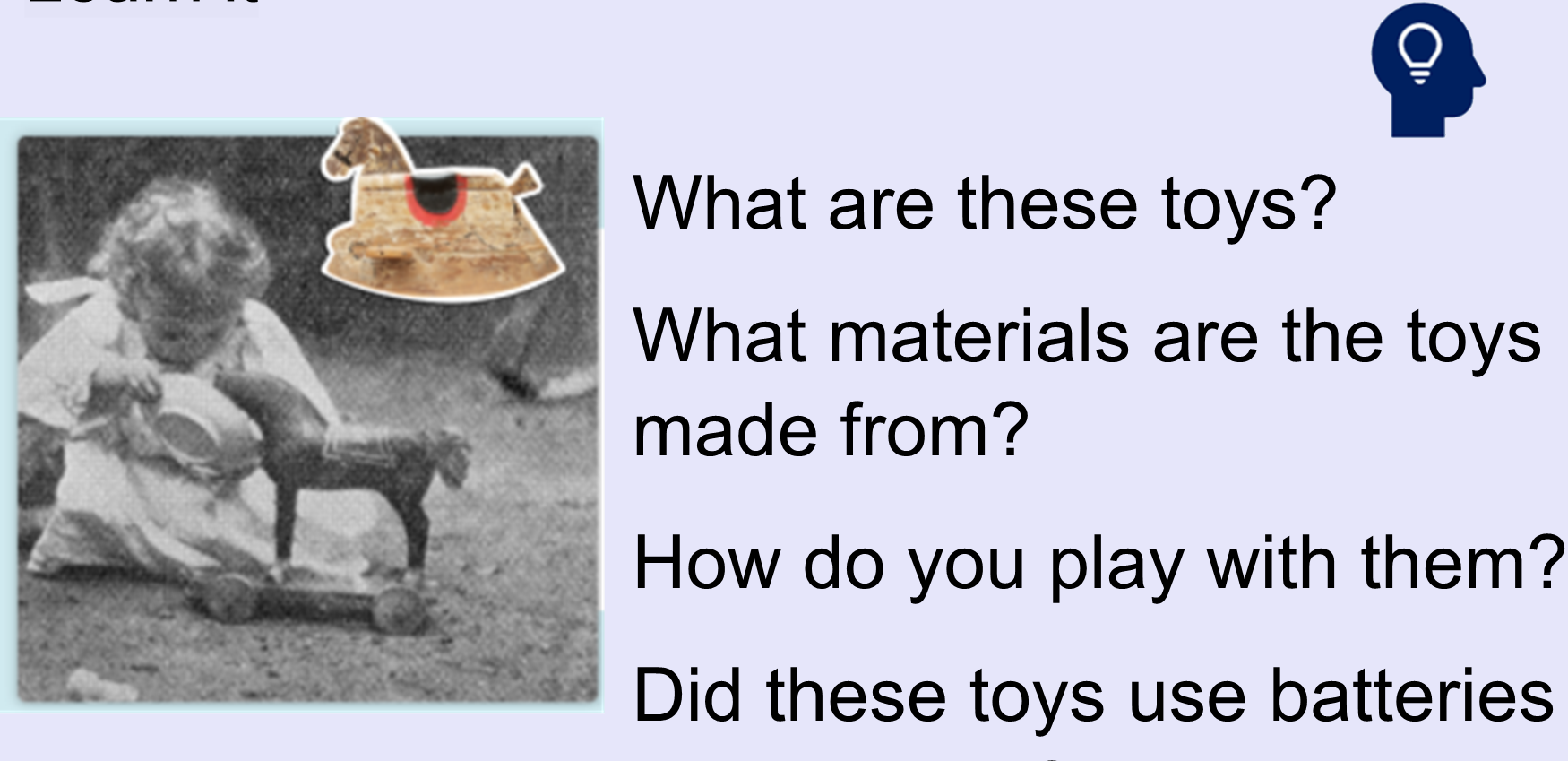
A short, engaging activity introduces the new learning for the lesson. This may involve exploring an existing product, identifying a design problem, investigating materials or considering the needs of a user. These activities are designed to stimulate curiosity, encourage critical thinking and provide a real-world context for learning.
APPLY IT
This is the main part of the lesson, where pupils engage in the design, make and evaluate process. Children develop practical skills through teacher modelling, guided practice and independent application. Pupils design purposeful products, select appropriate tools and materials, create prototypes, test their ideas and modify their designs in response to feedback and evaluation. Tasks are carefully sequenced to build both technical knowledge and practical competence.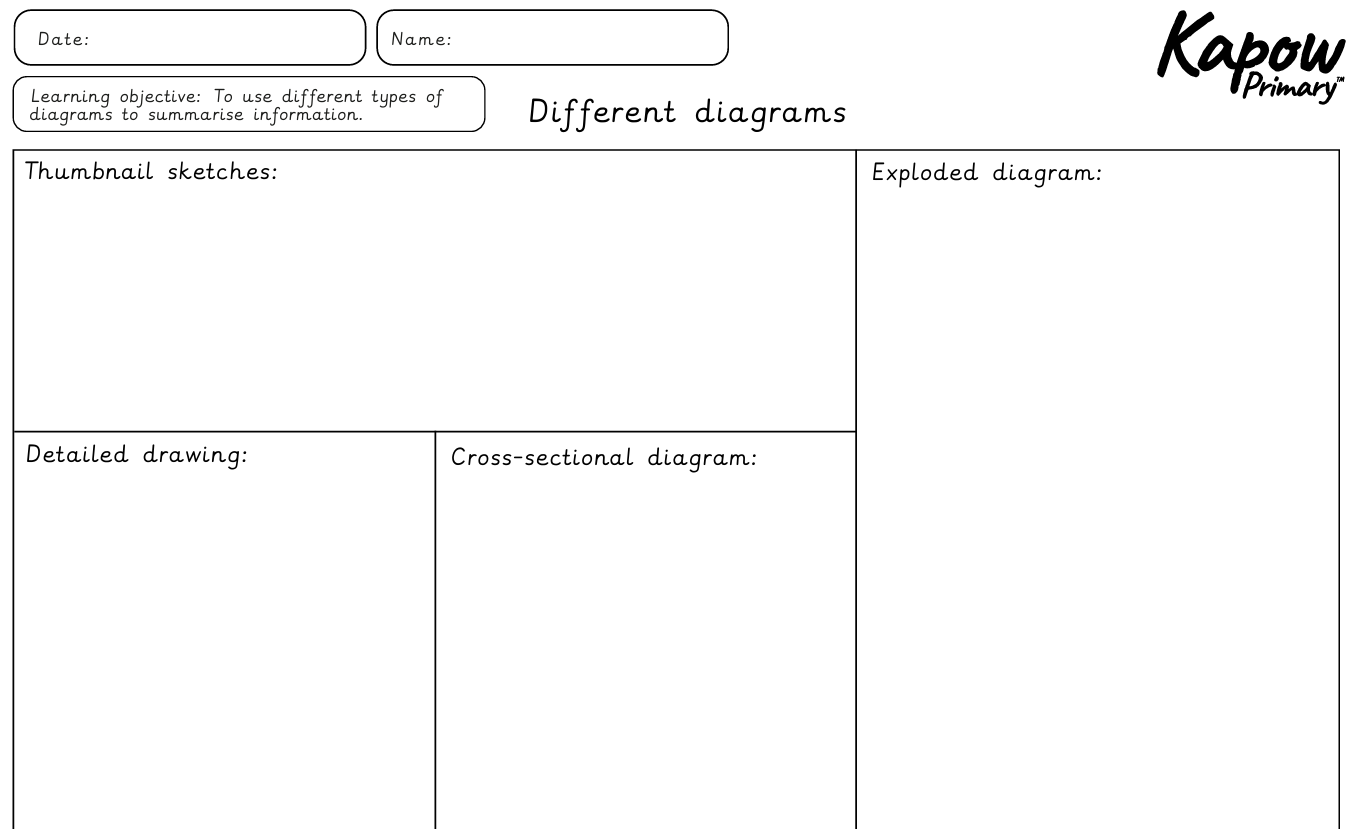

REVIEW IT
Lessons conclude with a reflective activity that allows pupils to evaluate their work against success criteria and design requirements. Pupils consider the effectiveness of their designs, the quality of their making skills and how their products could be improved. These opportunities for reflection help deepen understanding and support the development of critical thinking and problem-solving skills.
Design and Technology lessons include a range of strategies to support and challenge every pupil, such as:
- Scaffolding – tasks and design challenges are carefully structured to provide support where needed while enabling greater independence and challenge for more confident learners.
- Practical and multi-sensory learning – pupils engage in hands-on experiences, investigations and problem-solving activities that support different learning styles.
- Clear instructions and structured design processes – breaking learning into manageable steps helps pupils understand and successfully apply new skills and knowledge.
- Opportunities for collaborative and independent learning – pupils work both individually and with others to develop communication, teamwork and independent decision-making skills.
By embedding adaptive teaching throughout the curriculum, the scheme ensures that all pupils, regardless of their starting points, can access and succeed in Design and Technology. The carefully sequenced progression of knowledge and skills supports pupils with SEND and ensures a smooth development of understanding across Key Stage 2, allowing all learners to grow in confidence as designers, makers and evaluators.